Landscaping in Knysna: Indigenous Gardens, Fynbos & Ecological Design
Knysna sits inside one of the most biologically complex landscapes in South Africa. The lagoon, the forests, the fynbos hillsides, and the coastal thicket are not just backdrops — they are the landscape. Gardening here means working with these systems, not against them.
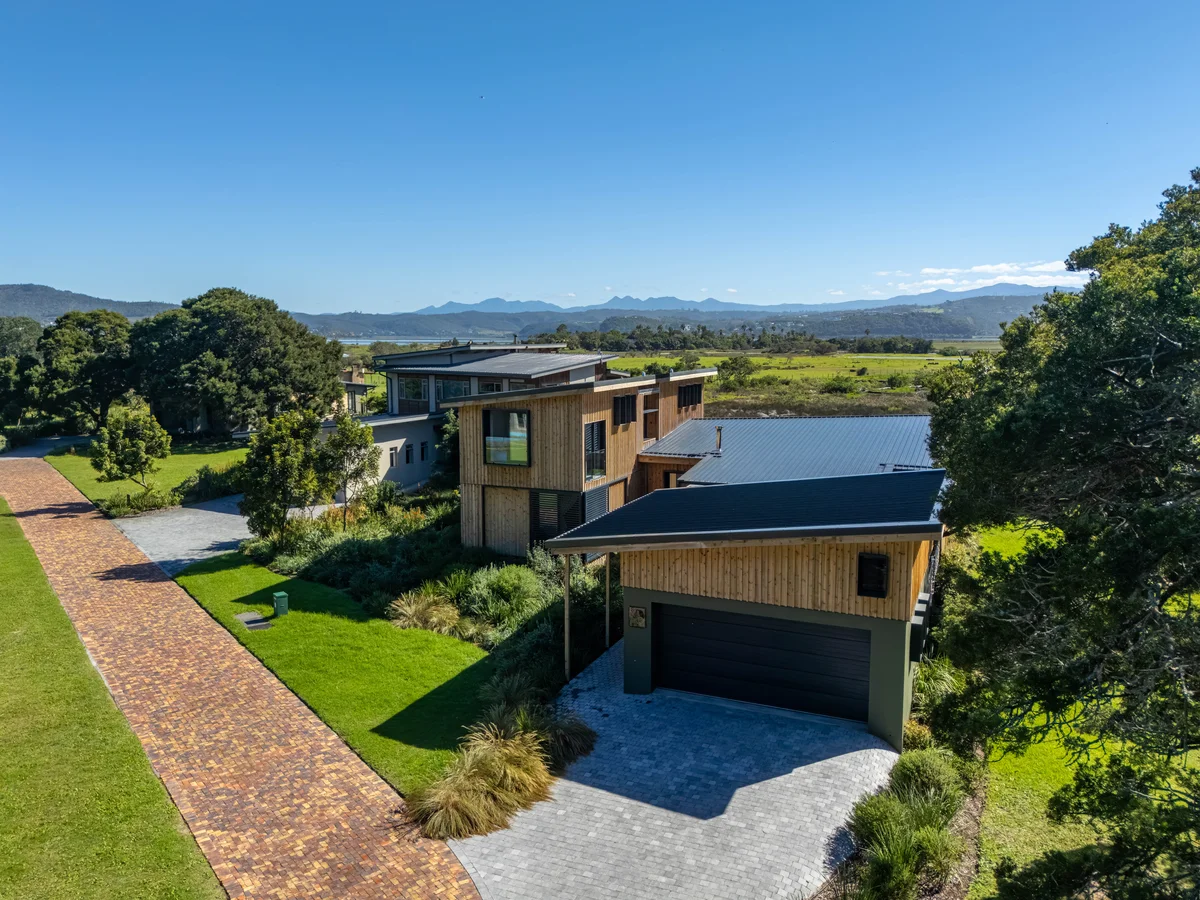
Six Kingdoms designs and manages ecological gardens across the Knysna area, from the heads and the lagoon edge to the Rheenendal hills and the forest margins inland. Our approach is rooted in the biology of the Garden Route: we work with native plants, restore what has been degraded, and create landscapes that become more self-sustaining over time.
Why Knysna's Ecology Shapes Every Garden Decision
Knysna straddles three distinct biomes: the afrotemperate forest (the southern tip of the Knysna Forests), coastal fynbos, and the transition thicket of the Garden Route. Each zone has its own soil chemistry, water needs, and plant communities. A garden that thrives in the fynbos above town will fail if the same species are planted in the forest edge below — and vice versa.
Rainfall in Knysna is year-round and often intense, which means drainage and slope management are critical design factors. The lagoon also creates a particular micro-climate: humid, mild, and exposed to salt-laden winds near the water. Plant selection must account for these conditions, and hard landscaping needs to manage water rather than repel it.
Invasive alien plants are a persistent challenge. Port Jackson willow, Black wattle, Hakea, and bugweed colonise disturbed ground quickly, particularly on slopes and along drainage lines. Any meaningful garden design in Knysna addresses IAPs as part of the brief — not as an afterthought.
What Indigenous Garden Design Looks Like in Knysna
An indigenous Knysna garden is not a wild garden. It is a designed landscape that uses plants belonging to the local flora as its primary material. In fynbos-zone gardens this means Proteas, Leucadendrons, Ericas, restios, and ground-covering bulbs like Agapanthus and Watsonia. In forest-edge gardens the palette shifts to shade-tolerant species: Wild dagga (Leonotis leonurus), Cape honeysuckle (Tecoma capensis), wild garlic (Tulbaghia violacea), and Knysna lily (Cyrtanthus elatus).
A well-designed indigenous garden in Knysna typically includes:
- A structural layer of medium-height shrubs providing wind shelter and bird habitat
- A groundcover layer that suppresses weeds and holds moisture in the soil
- Seasonal interest from bulbous plants and flowering shrubs
- Rain gardens or swales to manage the high annual rainfall without erosion
- Considered paths and seating areas that feel embedded in the planting, not imposed on it
Over three to five years, a well-established indigenous garden in Knysna largely maintains itself. Maintenance requirements drop significantly compared to exotic plantings, and the garden becomes a functioning habitat for sunbirds, Cape sugarbirds, lizards, and a wide range of insects.
EcoPools in Knysna
Knysna's consistent rainfall and mild temperatures make it one of the best locations in South Africa for a natural swimming pool. The biological filtration system that drives an EcoPool — aquatic plants and beneficial micro-organisms — thrives in a climate like this. Plants grow vigorously, water temperatures are pleasant for most of the year, and the visual integration of a natural pool into a garden is especially striking against the Knysna forest and hill backdrop.
Six Kingdoms builds EcoPools in Knysna in partnership with EcoPools Africa, the internationally certified natural pool technology behind every installation. From the Krags to the Heads to properties along the lagoon edge, we have designed and built natural swimming pools that require no chlorine and maintain water quality through living biology. Learn more about our EcoPool installations →
Land Management in the Knysna Area
Many properties in and around Knysna carry a significant burden of invasive alien plants, particularly on steeper ground and along drainage lines. Before a garden can be designed, this needs to be addressed systematically — not simply cutting plants back, but following up with correct disposal, replanting with indigenous species, and monitoring for regrowth over a two- to three-year period.
Six Kingdoms offers holistic land management and invasive plant clearing as a standalone service or as the first phase of a broader ecological design project. We work with landowners, estates, and CapeNature-registered properties across the Knysna municipal area.
Getting Started in Knysna
Whether you have a newly built property in need of a garden, an established garden that needs ecological restoration, or a large holding with land stewardship challenges, the starting point is the same: a site visit and an honest conversation about what your land needs and what you want from it.
Six Kingdoms is based on the Garden Route. We know the area deeply and bring that knowledge to every project. Get in touch to discuss your Knysna project →
Designing for Knysna
Tell us about your site. We'll arrange a conversation and site visit to understand what your garden needs.
Get in Touch →