Land Stewardship on the Garden Route: Restoration, Conservation & Long-Term Management
Land stewardship on the Garden Route goes beyond garden maintenance. It is the sustained management of a landholding in a way that maintains or improves its ecological function over time — protecting biodiversity, managing water resources, controlling invasive species, and working with the natural processes of the land rather than against them.
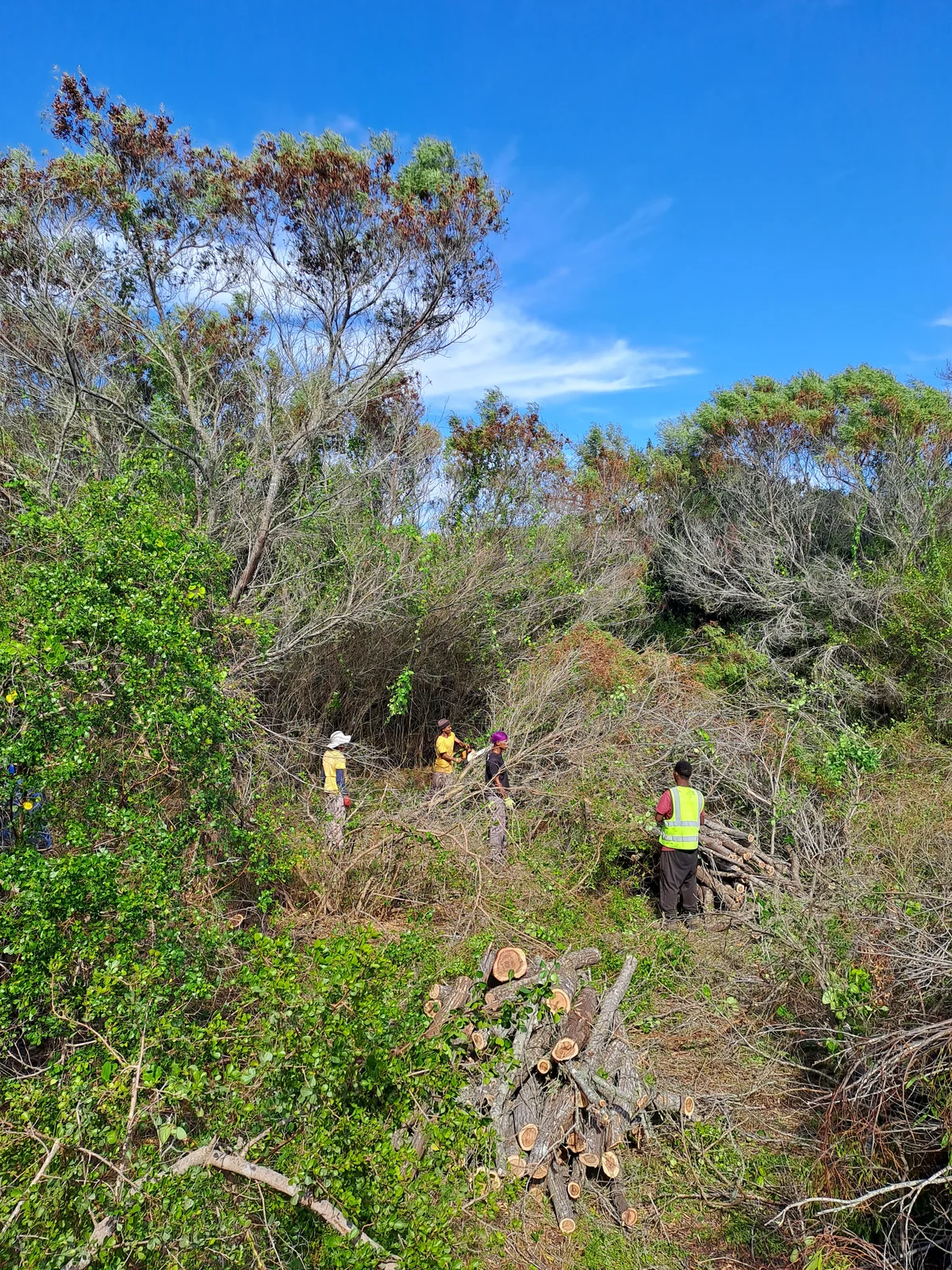
Six Kingdoms provides land stewardship services across the Garden Route for private landowners, eco-estates, smallholdings, and farming properties. Our approach is practical and long-term — we are not interested in quick fixes that unravel within a season. We build stewardship programmes that deliver lasting ecological outcomes.
What Land Stewardship Means in the Garden Route Context
The Garden Route is among South Africa's most ecologically important landscapes. It sits at the meeting point of three biomes (fynbos, afrotemperate forest, and transitional thicket), contains two major protected areas (the Garden Route National Park and the Wilderness Section), and includes internationally recognised wetland systems.
Private land plays a critical role in this ecology. Many properties buffer directly onto national park or nature reserve boundaries. Others contain remnant patches of forest, fynbos, or wetland vegetation that have survived historical clearing. Responsible land stewardship on these properties is not just a private benefit — it is a contribution to the broader conservation effort.
The main stewardship challenges on Garden Route landholdings are:
- Invasive alien plants — the single biggest threat to indigenous biodiversity on most private landholdings
- Fire management — fynbos requires periodic fire for renewal, but unmanaged fire risk is also a significant threat to property
- Water management — maintaining stream corridors, wetland margins, and natural drainage patterns
- Overgrazing or inappropriate land use — which degrades soil structure and promotes invasive colonisation
- Fragmentation — isolated habitat patches lose biodiversity over time; linking them improves ecological function
Ecological Assessment
A land stewardship programme begins with an ecological assessment of your property. This involves a systematic survey of vegetation, invasive plant status, water features, and existing biodiversity. The assessment provides the baseline from which a stewardship plan is developed — identifying priorities, sequencing interventions, and setting measurable targets.
Six Kingdoms conducts ecological assessments for properties of all sizes across the Garden Route, from single-hectare residential plots to multi-hundred-hectare farming and conservation properties. The assessment report provides a clear picture of what the land currently is, what it could become, and what interventions are needed to get there.
The Langvlei Dunes Project
The Langvlei Dunes invasive plant management project is one of Six Kingdoms' landmark land stewardship engagements. The Langvlei system forms part of the Wilderness Wetland complex — a RAMSAR-listed wetland of international importance. The dune interface between the coastal fynbos and the lake edge had been heavily colonised by invasive alien plants, primarily Rooikrans (Acacia cyclops) and coastal wattle species.
The project involved systematic invasive plant clearing over multiple seasons, followed by active restoration planting using locally-sourced coastal fynbos species. Six Kingdoms worked in coordination with the Garden Route National Park's management team to ensure that the restoration work on private land adjacent to the park interface was aligned with national park management objectives.
The results after three years of sustained stewardship: substantial return of indigenous dune fynbos across cleared areas, measurable improvement in species diversity on restored plots, and a reduction in fire fuel load in the critical park-interface zone.
Working for Water and Stewardship Incentives
South Africa's Working for Water programme provides financial support for invasive alien plant clearing on private land, with particular emphasis on clearing in water-sensitive areas (riparian zones, wetland margins, catchment areas). Many Garden Route properties qualify for Working for Water assistance, particularly those in the Knysna, Wilderness, and Bitou catchment areas.
Six Kingdoms can advise on Working for Water eligibility, assist with applications, and structure stewardship programmes that meet the programme's requirements. In some cases, the subsidy available through Working for Water can cover a significant portion of the cost of an invasive clearing programme. Learn more about our land management services →
Long-Term Stewardship Agreements
Invasive alien plants cannot be eliminated in a single clearing operation. They require sustained follow-up management over a period of three to seven years to exhaust the seed bank and prevent reinvasion. For this reason, Six Kingdoms offers long-term stewardship agreements that provide ongoing management, monitoring, and reporting for landholdings committed to sustained ecological improvement.
A stewardship agreement with Six Kingdoms includes scheduled site visits, invasive plant monitoring and follow-up treatment, annual reporting on ecological progress, and advice on complementary interventions such as indigenous planting, water management, and fire breaks.
Start a Conversation About Your Land
Whether you have a residential property with a challenging invasive plant problem or a larger landholding requiring a comprehensive ecological management programme, Six Kingdoms brings the expertise and the commitment to work with you over the long term. Contact us to discuss your land stewardship needs →
Long-Term Land Stewardship
Six Kingdoms works with Garden Route landowners over the long term to restore ecological function and manage invasive species sustainably.
Get in Touch →