Fynbos Garden Design: Creating a Living Landscape on the Garden Route
Fynbos is one of the world's most biodiverse plant communities, and the Garden Route sits at its eastern edge. Designing a garden with fynbos is not a compromise or an ecological gesture — it is an opportunity to create a landscape of extraordinary beauty that deepens with age, requires minimal maintenance once established, and connects your property to one of the planet's great botanical treasures.
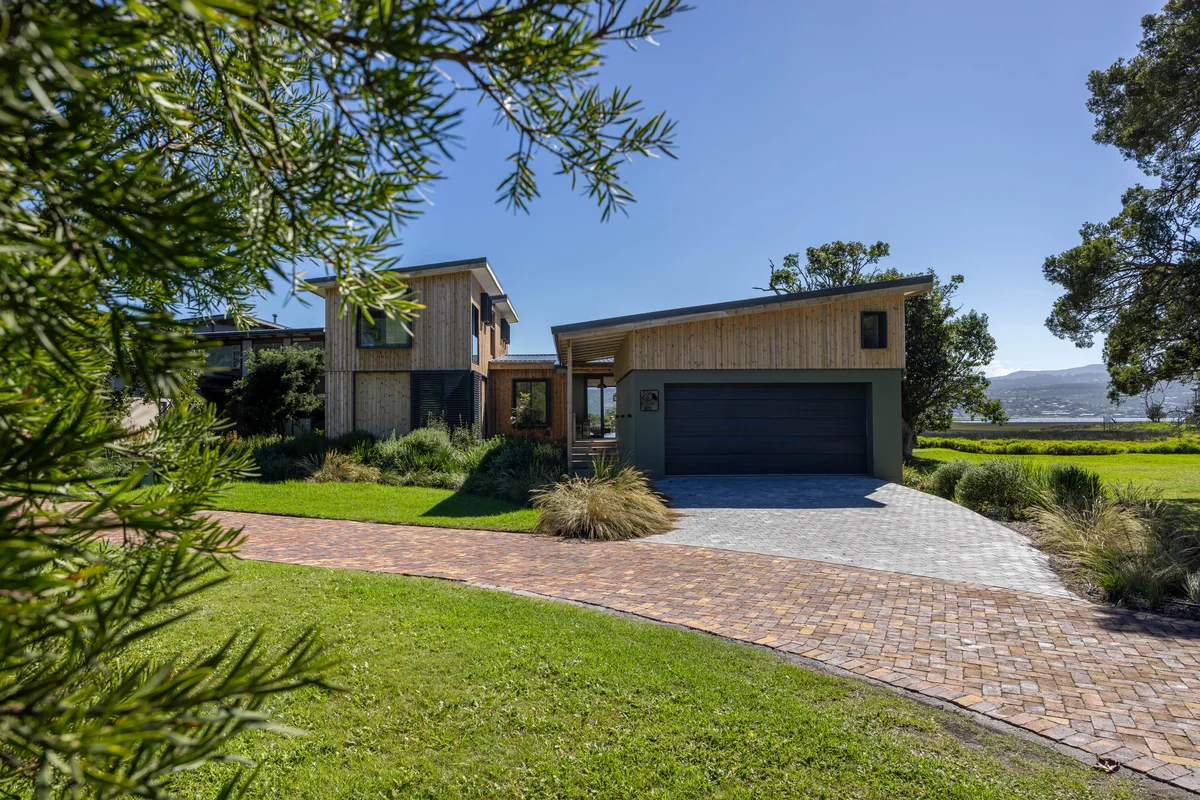
Six Kingdoms designs fynbos gardens across the Garden Route, from the fynbos hillsides of Knysna and Wilderness to the coastal margins of Plettenberg Bay and the drier western reaches towards George. Every project starts with the same question: what is this land capable of, and how do we help it become more fully itself?
What Is Fynbos?
Fynbos is the dominant vegetation of the Cape Floristic Region (CFR), one of the world's six floral kingdoms and the smallest of them all. Despite covering less than 0.5% of the Earth's land surface, the CFR contains nearly 9,000 plant species — approximately 70% of which are found nowhere else on Earth. The Garden Route sits at the northeastern edge of this region, where fynbos transitions into afrotemperate forest and transitional thicket.
The key plant families in Garden Route fynbos are:
- Proteaceae — Proteas, Leucadendrons, Leucospermums, and their relatives. The structural backbone of most fynbos gardens, providing dramatic flowers and bold forms.
- Ericaceae — Ericas (heaths), with thousands of species endemic to the CFR. Providing fine texture, colour year-round, and critical habitat for specialist insects.
- Restionaceae — Restios (reeds), the grass-like plants that dominate large areas of fynbos and provide extraordinary textural interest in garden settings.
- Geophytes — bulbous plants including Gladiolus, Watsonia, Moraea, Romulea, and Lachenalia species. Providing seasonal flower colour without ongoing maintenance.
Designing a Fynbos Garden on the Garden Route
A fynbos garden is not designed the same way as a conventional garden. Fynbos plants have evolved in nutrient-poor, well-drained soils — particularly those derived from Table Mountain Sandstone. They respond badly to fertiliser (phosphorus is toxic to many Protea family plants) and to overwatering once established.
The design approach Six Kingdoms uses starts with soil assessment. If your soil is clay-heavy or has been amended with compost or fertiliser, preparation work is needed before fynbos planting can succeed. This often means improving drainage, removing topsoil enrichment, and in some cases importing appropriate growing medium.
Once the site is prepared, plant selection is guided by the specific microclimate of each area within the garden:
- Wind-exposed positions suit low-growing Restios, prostrate Proteas, and ground-covering Ericas
- Sheltered spots in the same garden can accommodate taller Leucadendrons and feature Proteas
- Slopes with good drainage are excellent for the full fynbos palette
- Seasonally wet areas suit Watsonia, water-tolerant Restios, and moisture-adapted fynbos species
Fynbos and Wildlife
A fynbos garden on the Garden Route rapidly becomes a wildlife habitat. Cape sugarbirds, Orange-breasted sunbirds, and Malachite sunbirds are among the specialist pollinators attracted to Protea and Erica flowers. Cape Bees and a wide range of indigenous wasps pollinate the smaller-flowered species. Lizards use the ground cover; shrews hunt through the leaf litter.
Within two to three years of establishment, a well-designed fynbos garden develops a functioning food web. This is not a side effect of ecological design — it is part of the intended outcome. A garden that supports biodiversity is more resilient, more self-regulating, and more interesting than one that doesn't.
Fynbos Restoration vs. Fynbos Garden Design
There is an important distinction between fynbos restoration (returning degraded land to near-natural fynbos vegetation) and fynbos garden design (creating a designed garden using fynbos species as the primary planting material).
Both are within Six Kingdoms' scope. For larger landholdings with degraded fynbos vegetation, we offer ecological restoration and land stewardship programmes that combine invasive clearing with targeted replanting using locally-sourced plant material. For residential gardens and estate properties, we design fynbos gardens that function both aesthetically and ecologically — spaces that are beautiful to live in and contribute to the broader landscape.
Working With Six Kingdoms on Fynbos Design
Six Kingdoms brings a deep knowledge of Garden Route fynbos — which species grow where, how they respond to different soil conditions, what works in coastal exposure versus inland shelter, and how to sequence the establishment of a fynbos garden for best long-term results.
Our ecological design projects on the Garden Route include both established fynbos garden restorations and new garden designs using fynbos as the primary palette. We can advise on sourcing plant material locally, managing establishment, and the long-term maintenance approach that allows a fynbos garden to thrive with minimal intervention.
Design a Living Fynbos Garden
Six Kingdoms designs fynbos gardens across the Garden Route — places that grow richer over time and connect your property to the Cape's extraordinary botanical heritage.
Get in Touch →